

Scams Are Exploding in Dubai & UAE — And The Real Cause Everyone Missed
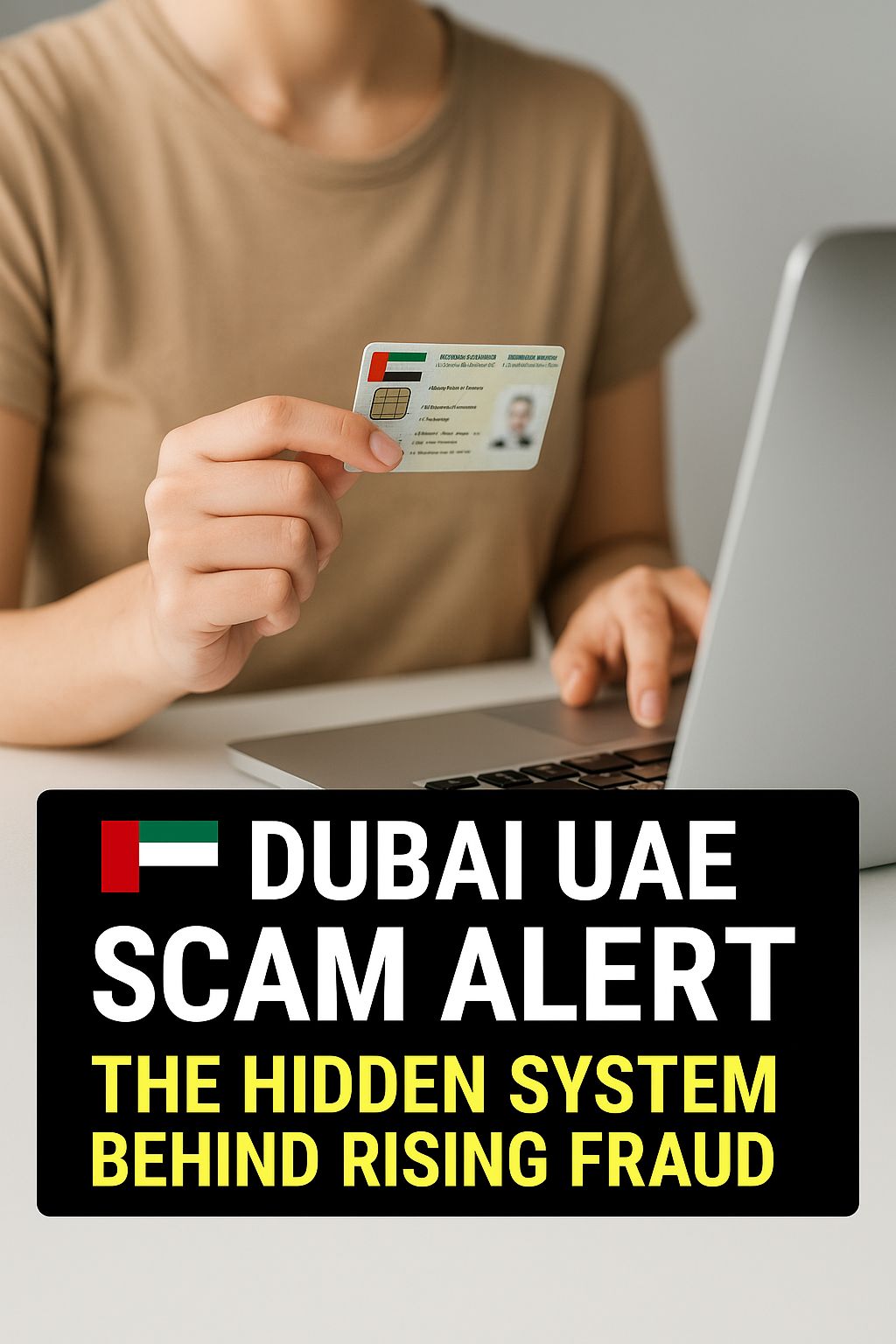
Scams in Dubai and across the UAE are rising fast — fake calls, OTP theft, bank impersonation, and aggressive mobile targeting. But the real danger isn’t only the scammer calling you… it’s the deeper system that makes these attacks possible in the first place.
Across major sectors, many institutions rely on underqualified, low-cost, high-turnover staff for extremely sensitive roles that expose them to banking data, customer records, Emirates ID details, and private contact information. When these employees are suddenly terminated — which happens frequently in outsourced call-centers, telecom support units, and financial service desks — they often leave with stored customer data.
And here’s the part no one talks about:
When these individuals exit the UAE — either returning to their home country or moving to another job abroad — the customer data they collected travels with them.
Some of this information later ends up being:
- used for revenge after losing their job,
- sold to organized scam groups,
- or exploited to run fake calls, OTP fraud, and bank impersonation from outside the country.
This is the
true root cause behind the continuous rise of scam calls, even though UAE authorities issue alerts every week.
The problem doesn’t begin with the scammer who contacts you…
it begins with the data leak long before the call is made.

How UAE Residents Are Targeted Through Fake Calls, OTP Tricks, and Bank Impersonation
Scammers across Dubai and the UAE use fake prize calls, OTP requests, and bank impersonation to trick residents into giving away access codes linked to their mobile numbers. These attacks look professional because scammers often use real customer details taken from old databases, leaked phone lists, or stolen identity information.
They contact victims through VoIP apps, fake service numbers, or internet-based calling tools — convincing them that the call is official. Once the resident shares an OTP, scammers can access accounts, purchase digital goods, or change mobile-linked payment methods instantly.
This is the
front-end attack, but it’s only the visible part of a much deeper system failure.

How Personal Data Leaks Give Scammers Everything They Need
Scammers in Dubai and across the UAE succeed because they already have the victim’s personal information before they make the call. These details often come from outdated databases, old service logs, or customer lists handled by temporary support staff in outsourced centers.
When institutions use low-cost, high-turnover employees in sensitive roles, customer data becomes exposed. After large layoffs — common in telecom, banking, and call-center operations — some former employees leave the UAE with full copies of this information. Once this data is outside the country, it can be sold, exchanged, or used by organized scam networks without any accountability.
This is why fake callers seem so “credible.”
They use
real names,
real numbers, and
real ID-linked details, making the scam almost impossible to detect until it’s too late.
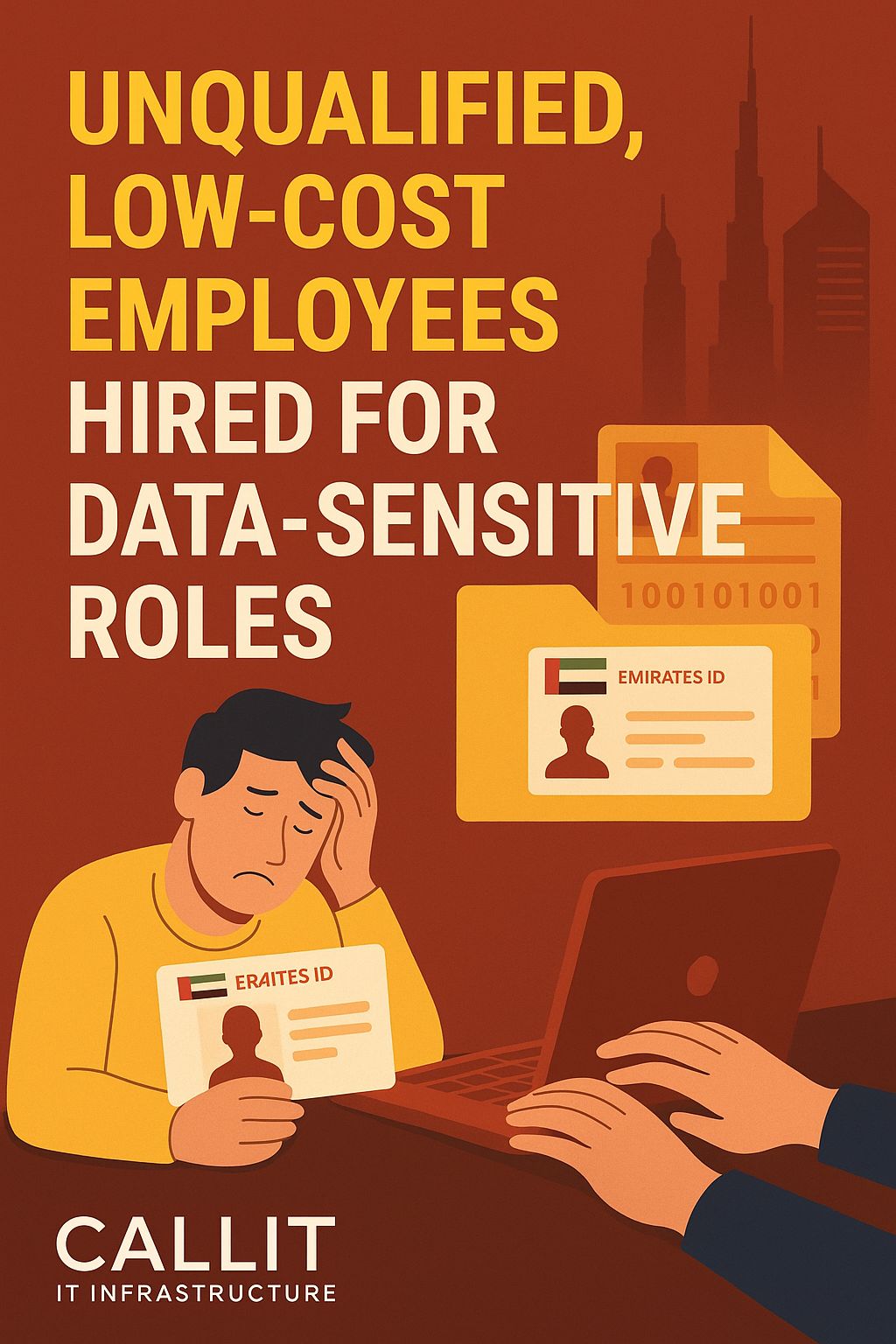
Low-Cost Recruitment for High-Risk Roles: The Perfect Recipe for Massive Scam Leaks
Dubai and UAE institutions continue hiring low-cost, underqualified employees for high-risk, data-sensitive jobs inside banks, call centers, outsourced mobile-service support teams, and customer-verification departments.
These positions handle extremely sensitive information: Emirates ID scans, passport numbers, mobile contacts, addresses, account details, and even customer authentication notes.
When cheap-labor hiring becomes the priority, trust, training, and data-security discipline disappear.
Unqualified, financially pressured workers often store screenshots, write down details, or privately save customer data — long before anyone notices.
The moment a mass layoff happens (in banks, outsourcing groups, or external support teams — which is common every year), many leave the country with stolen data.
This information then becomes fuel for OTP theft, fake bank calls, and organized scam operations targeting Dubai residents.
This is one of the true hidden engines behind the UAE scam problem — and it’s rarely acknowledged publicly.

How Mass Layoffs Turn Into Data Leaks in Dubai & UAE
Mass layoffs across banks, customer-service departments, outsourced verification teams, and private-sector call centers happen frequently in the UAE. When this occurs, hundreds of employees with access to sensitive customer information suddenly leave their jobs — often without proper audits or data retrieval.
Because many of these roles rely on low-cost, untrained staff handling Emirates ID scans, contact numbers, and internal verification details, some employees exit while still retaining screenshots, notes, or copied data.
Once abroad or unemployed, this information becomes currency — sold to scam networks or used directly in fake bank calls, OTP scams, and identity-based fraud targeting Dubai residents.
This cycle repeats every year, and it’s one of the biggest hidden fuel sources behind the surge of scam attempts affecting people across the UAE.

Why Former Employees Use Stolen Data After Leaving the UAE
When employees handling sensitive customer information are terminated — especially from outsourced verification teams, call centers, or low-cost support departments — many leave the UAE within days.
Because their exit is fast and offboarding is weak, no one checks what data they took with them.
Once abroad, without UAE oversight, some individuals use the stolen customer information for revenge, financial pressure, or to profit by selling it to organized scam groups.
This includes:
- saved ID scans
- written contact lists
- screenshots of account notes
- customer verification questions
- mobile numbers tied to banking access
Outside the UAE, these individuals are not monitored, not restricted, and not accountable — creating a perfect environment for scam operations to grow safely from overseas.
This is one of the most dangerous blind spots in the entire scam ecosystem, and one that institutions rarely address.
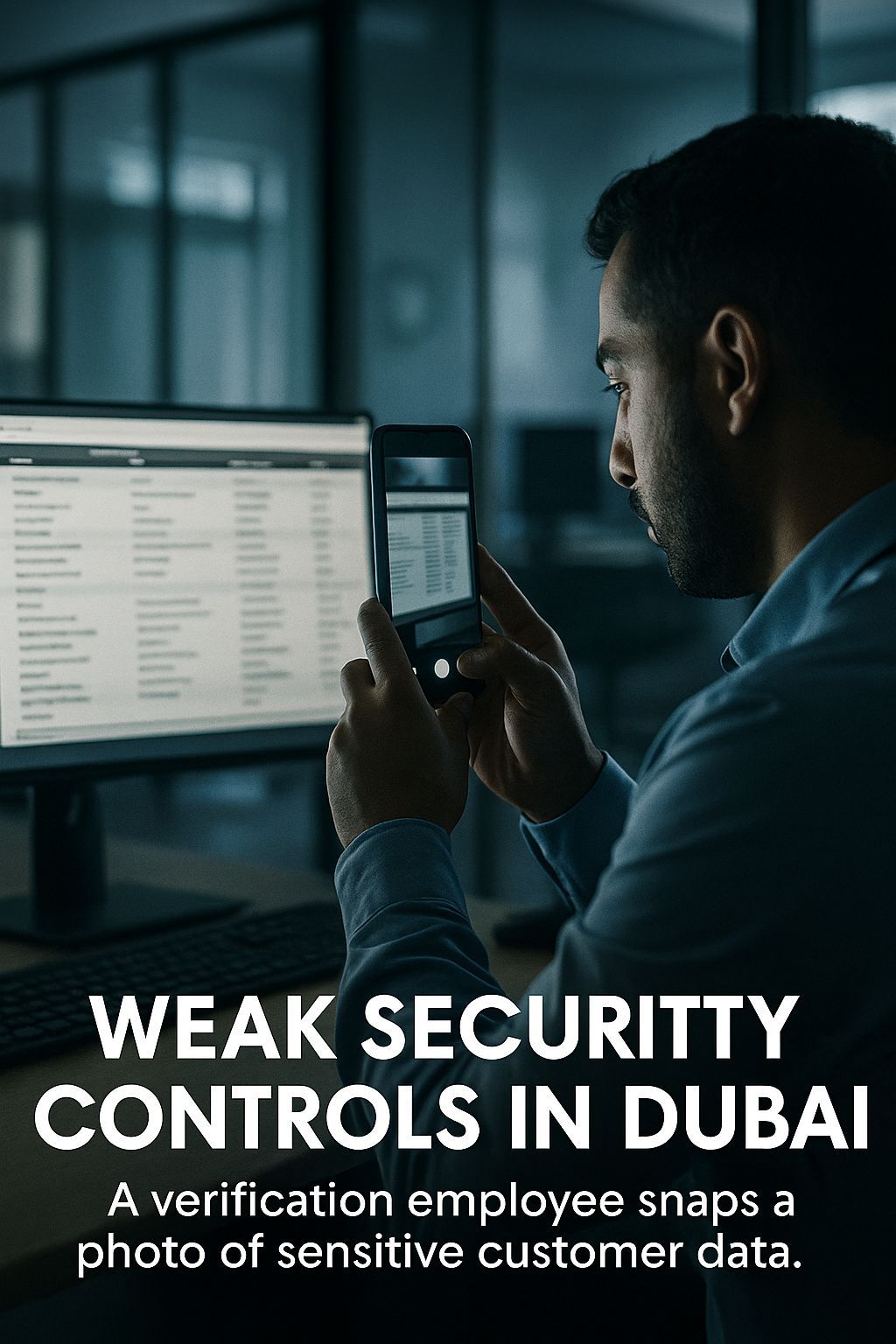
Weak Internal Controls Make Data Theft Easy — And Impossible to Trace
Inside many banks, outsourced service hubs, and customer-verification teams in Dubai and across the UAE, internal data controls are extremely limited.
Most employees accessing sensitive customer information do so without real-time supervision, device monitoring, or restrictions on copying data.
In many workplaces:
- Screenshots are not blocked
- External storage (USBs, SSDs) is not disabled
- Mobile phones are allowed at desks
- Logging systems do not record every data view
- No cameras monitor the exact workstation
- Offboarding audits are incomplete or not performed
This creates an environment where employees — whether new, untrained, underpaid, or about to be terminated — can easily save ID scans, contact lists, account notes, and verification details without detection.
When these employees leave the UAE, there’s no tracking, no detection, and no way to know what they took.
Weak internal controls are one of the biggest systemic flaws behind the rising scam ecosystem targeting Dubai residents.


The Real Solution: How Dubai & UAE Can Stop This Scam Cycle at Its Source
Dubai and the UAE can dramatically reduce scam calls, OTP theft, and data-driven fraud — but only if institutions fix the root problem at the hiring level.
The truth is simple: when sensitive customer information is handled by low-cost, unqualified, or financially pressured staff, the risk of data theft becomes extremely high.
To break this cycle, institutions need
real structural change, not awareness campaigns.
A proper solution includes:
1. Hire Qualified, Trustworthy Professionals Only
Sensitive roles must be assigned to
trained, certified, verified, and trusted employees — not the cheapest workers available.
This includes banking data handlers, customer-verification agents, KYC reviewers, and anyone with access to Emirates IDs, passports, or contact details.
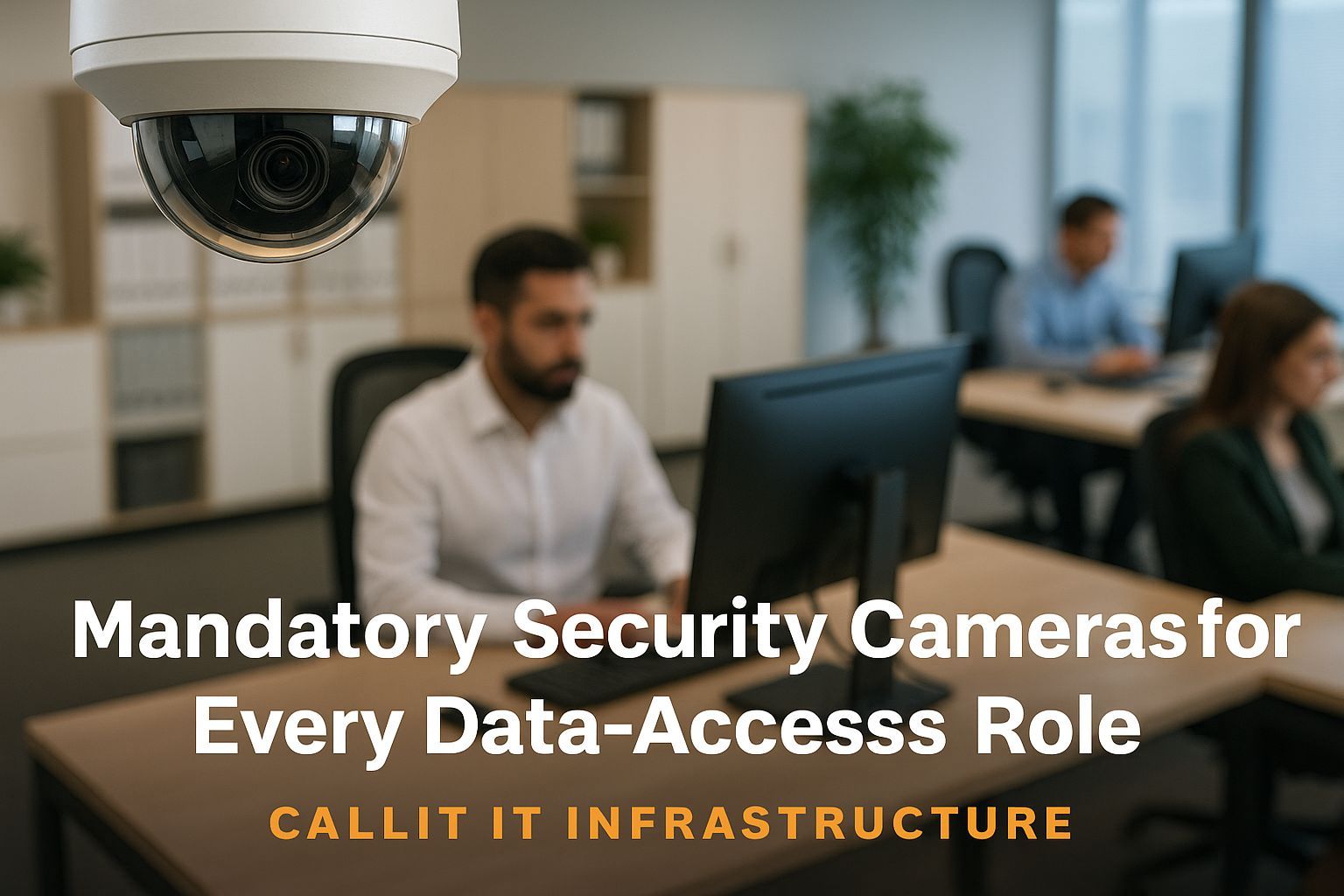
2. Mandatory Security Cameras for Every Data-Access Role
Every workstation that handles sensitive information must have
continuous camera monitoring.
Not to invade privacy — but to prevent screenshots, phone photos, or any attempt to copy customer data secretly.
This alone reduces 80% of internal data leakage attempts.
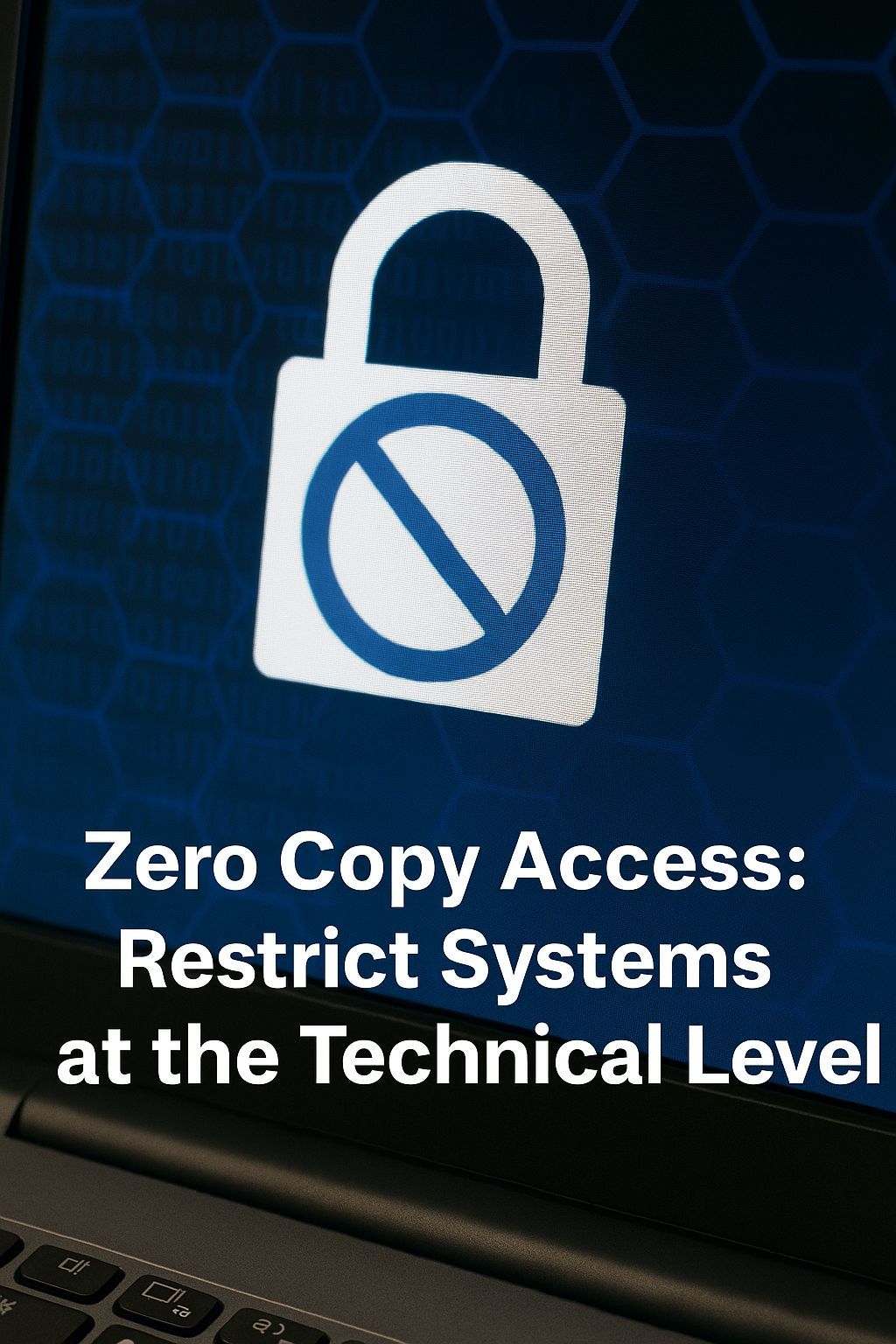
3. Zero Copy Access: Restrict Systems at the Technical Level
Employees should be able to view customer information but never:
- download it
- screenshot it
- copy/paste it
- export it
- save it
- forward it
- store it on USB, SSD, email, or cloud
Systems must use:
- view-only ID windows
- watermarking
- copy-block protection
- screen-capture lockdown
- device-block policies
This stops data theft even before it starts.
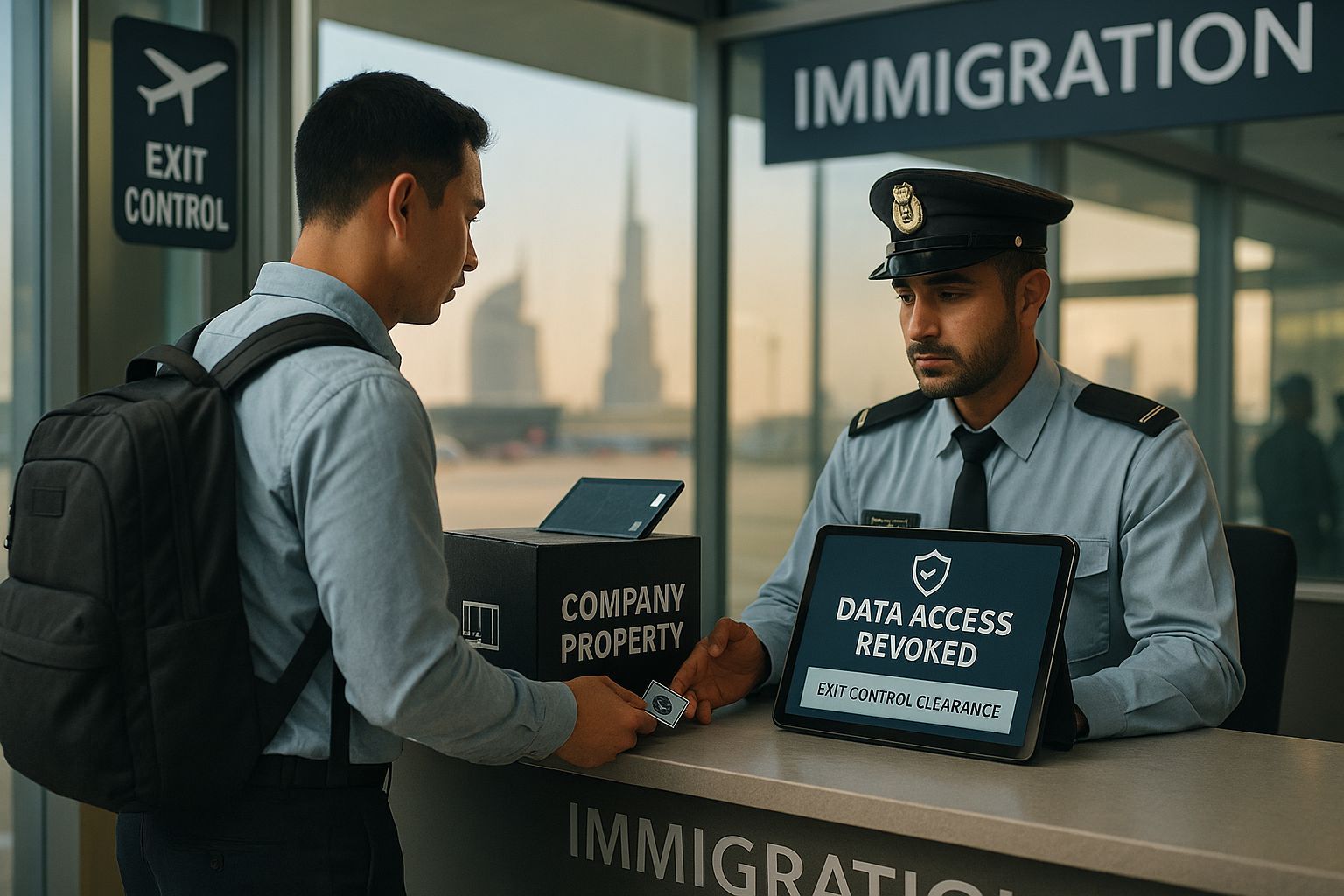
4. Strong Exit Control When Staff Leave the UAE
When employees resign, are terminated, or are part of mass layoffs, institutions must:
- audit their access logs
- check for screenshot attempts
- verify no external device was connected
- disable all logins immediately
- run a post-exit data scan
Without this, employees take the data with them abroad, where UAE law can’t touch them — and that’s how scams grow.
This is the only long-term solution that protects UAE residents — expats and nationals — from the rising wave of data-driven scams.
Cheap hiring creates expensive disasters.
Qualified, trustworthy staff + camera monitoring + restricted systems = real protection.

Need a Secure, Professional IT Partner in Dubai?
At
CALLIT IT INFRASTRUCTURE, we design and build secure networks that protect businesses from data leaks, insider threats, and unauthorized access.
If your business needs:
- Secure network installation
- Wi-Fi hardening & MAC-ACL security
- Firewall setup
- Professional IT support
- Consulting for data-security best practices
CALLIT can help you secure your infrastructure before problems happen.
📞
+971 50 848 1467
📧
fadihelou@calldit.ae
🌐
www.calldit.ae
